



The Right Way to Chill Spirits (Without Dilution)

Chilling spirits is one of those topics everyone has an opinion on, and most of them involve ice or whiskey stones.
But if you’ve ever watched a perfectly good pour of whiskey or tequila slowly lose its character in a glass of melting cubes, you already know something’s off.
The truth? Cold can elevate spirits. Water can ruin them.
And understanding the difference is the key to better sipping.
Let’s break down the right way to chill spirits - without dilution, muted flavor, or compromise.
The Ice Problem
Ice has become the default way to chill spirits, but it’s a blunt tool.
Yes, ice lowers temperature quickly.
No, it doesn’t stop there.
The moment ice hits your glass, dilution begins. Even a single cube starts melting immediately, changing the alcohol concentration, mouthfeel, and aroma with every passing second. What starts as a carefully crafted spirit turns into something thinner, flatter, and less expressive by the end of the drink.
This is especially noticeable with:
-
Premium spirits
-
Small-batch or craft bottles
-
Aged whiskey and sipping tequila
Ice also introduces inconsistency. The first sip never tastes like the last. If the spirit was designed to shine at a specific proof and temperature, melting ice pushes it further away from its ideal state the longer you drink.
Bottom line:
Ice chills and dilutes, whether you want it to or not.
Do Spirits Need to Be Chilled?
Short answer: Sometimes, but not the way most people do it.
Chilling spirits isn’t about making them ice-cold. It’s about bringing them into a temperature range where flavors are balanced, alcohol heat is softened, and aromas stay intact.
Different spirits benefit from different approaches:
-
Some are enhanced by light chilling
-
Some shine just below room temperature
-
Very few benefit from actual dilution unless intentionally done
The goal isn’t “as cold as possible.”
The goal is sip-perfect temperature.
And crucially: temperature and dilution are not the same thing. Even though ice treats them like they are.
What Chilling Actually Does to Spirits
Temperature has a direct impact on how spirits taste and feel.
When chilled correctly:
-
Harsh alcohol notes soften
-
Texture becomes smoother and rounder
-
Aromatics become more controlled (not overwhelming, not muted)
-
The finish feels cleaner and more intentional
When over-chilled or diluted:
-
Subtle flavors disappear
-
Complexity gets flattened
-
The spirit tastes “watery” or hollow
-
The finish drops off quickly
There’s a sweet spot where the spirit’s character is preserved, and that sweet spot doesn’t require adding water.
Professional tasting rooms and distillers understand this. That’s why controlled chilling (without dilution) is preferred when evaluating quality spirits. It allows the drinker to experience the bottle as it was designed.
Spirit-by-Spirit Breakdown
Vodka
Vodka is often served straight from the freezer, but there’s nuance here.
Chilling vodka:
-
Reduces ethanol burn
-
Enhances perceived smoothness
-
Creates a cleaner mouthfeel
However, ice introduces unnecessary dilution, especially for higher-quality vodkas with subtle texture differences.
Best approach:
Chill the vodka itself or the glass, not the liquid with melting ice. This keeps the vodka cold while preserving its intended viscosity and flavor neutrality.
Tequila
Tequila suffers the most from improper chilling.
Good tequila (especially blanco and reposado) has complex vegetal, citrus, and mineral notes that are easily muted by ice. Dilution strips away what makes it interesting, leaving behind raw alcohol.
Light chilling can:
-
Take the edge off ethanol
-
Highlight natural sweetness
-
Preserve agave character
Best approach:
Chill without water. Keep the tequila cold, not watered down. This is especially important for sipping tequila, where craftsmanship matters.
Whiskey
Whiskey drinkers are divided on ice for a reason.
A few drops of water can open up aromas, but that’s controlled dilution, not melting cubes taking over your glass. Ice quickly overwhelms older or higher-proof whiskey, flattening complexity and shortening the finish.
Chilling whiskey slightly:
-
Softens alcohol heat
-
Maintains structure
-
Preserves layered flavor notes
Best approach:
Chill the whiskey gently without adding water, allowing you to enjoy the full evolution of the sip from start to finish.
The Solution: Chilled, Not Diluted
If ice compromises spirits and room temperature isn’t always ideal, what’s the alternative?
Controlled chilling without dilution.
This approach allows spirits to:
-
Stay at a consistent temperature
-
Maintain original proof
-
Preserve aroma, texture, and finish
-
Taste the same from first sip to last
Instead of constantly changing the drink, you’re stabilizing it , which is exactly what premium spirits deserve.
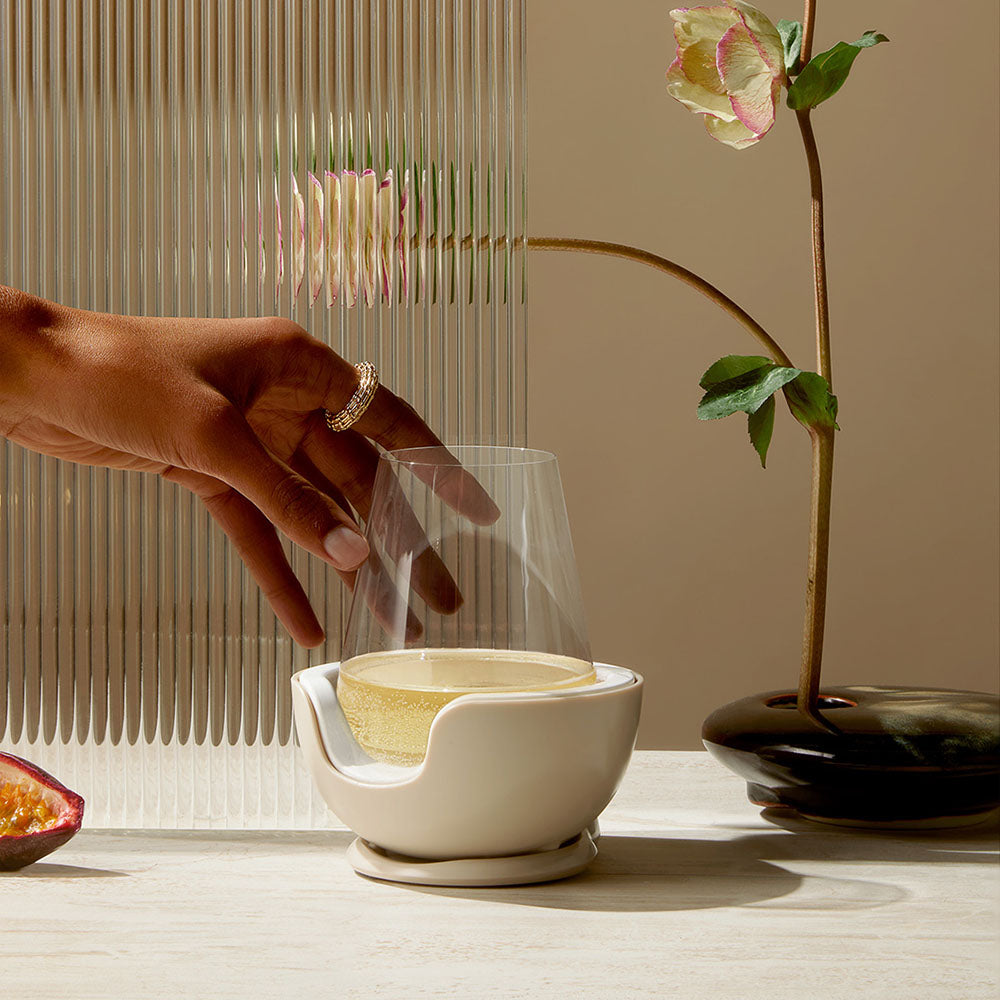
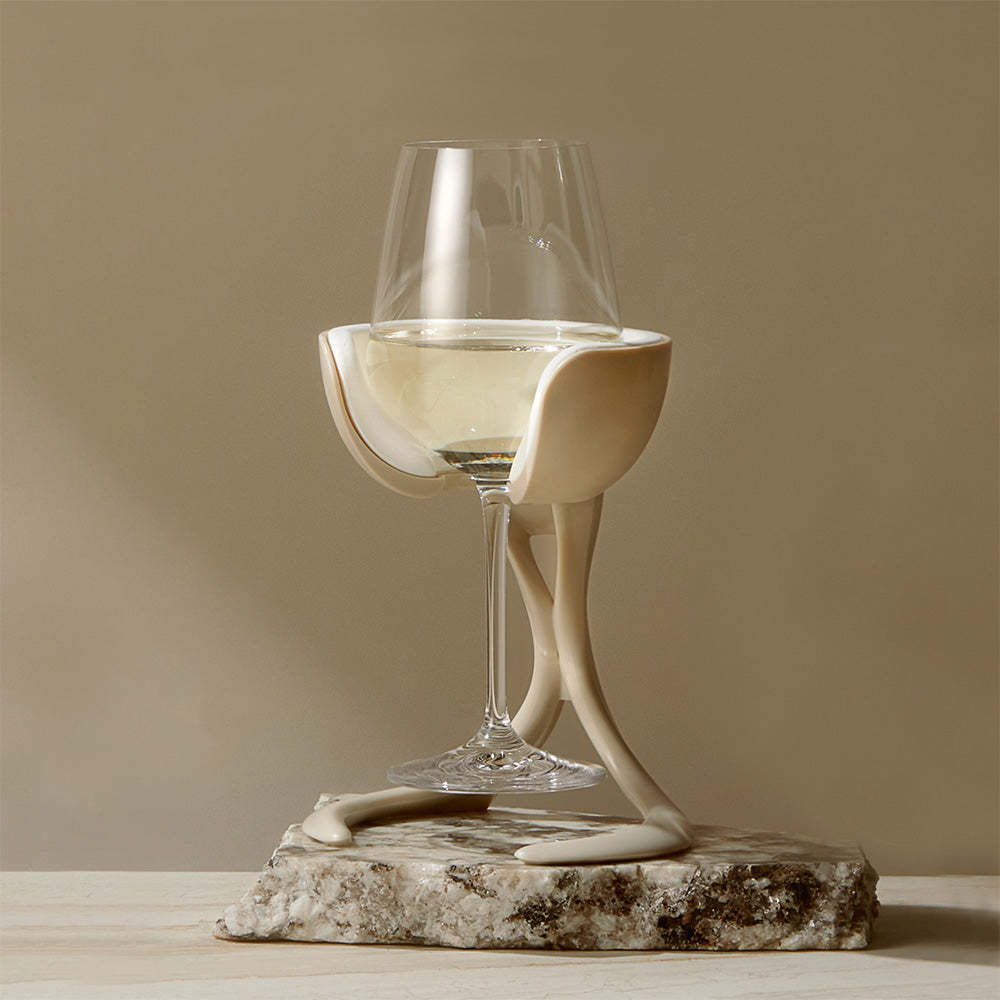
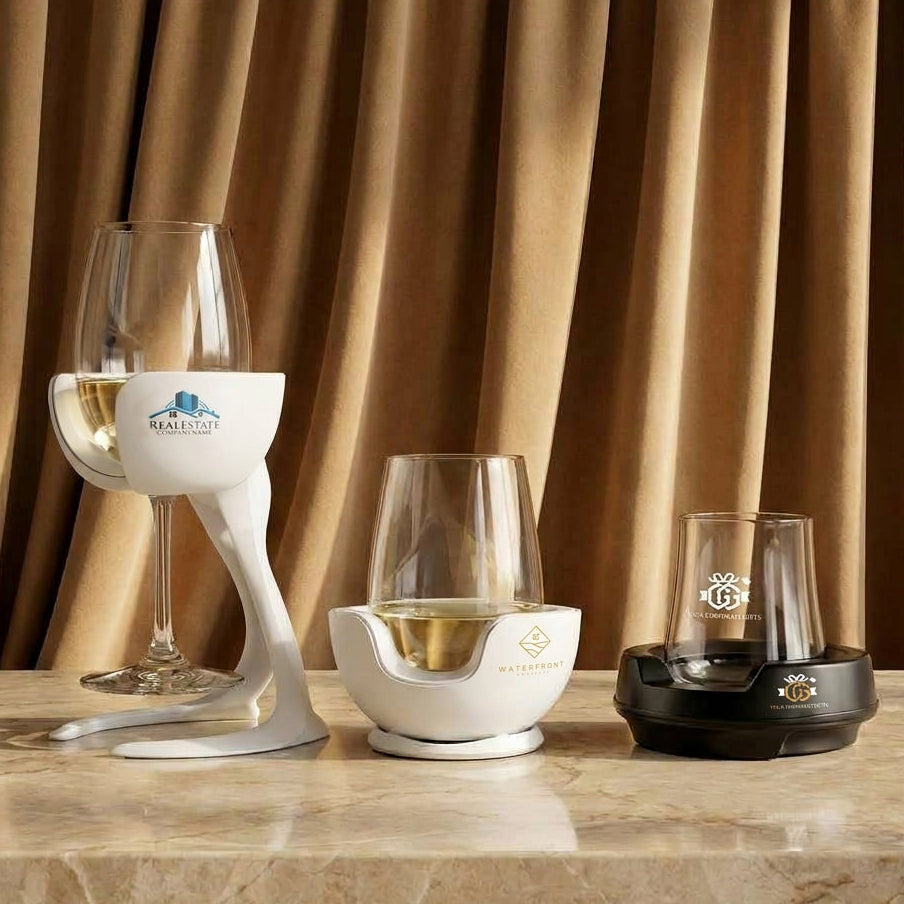
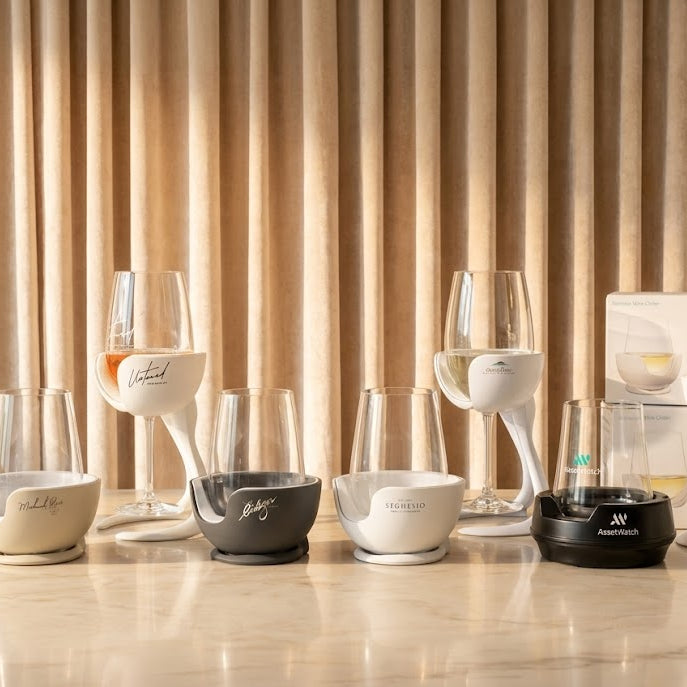
That’s where modern chilling tools come in. Designed to cool your glass externally, they bring spirits to their ideal sipping temperature without ever touching the liquid itself.
No melting.
No watering down.
No rushed drinking before the ice takes over.
Just the spirit, exactly as intended, only better.
Final Sip
The debate isn’t ice vs. no ice.
It’s intention vs. habit.
Once you experience spirits chilled properly, without dilution, it’s hard to go back. The flavors stay sharp. The texture stays rich. And the last sip is just as good as the first.
That’s exactly why solutions like VoChill exist: to keep spirits at a sip-perfect temperature without ever watering them down. No melting cubes. No rushed drinking. Just controlled chill, start to finish.
Cold is good.
Water isn’t always.
And when it comes to spirits, the difference matters.