
Why Temperature Matters for Wine & Whiskey (No Ice Required)
Why Temperature Matters: Wine & Whiskey, Explained
Most people spend a lot of time thinking about what they drink, the bottle, the brand, the vintage, the proof. Far fewer people think about how that drink is served.
And yet, temperature is one of the most powerful factors shaping flavor, aroma, and overall enjoyment.
So let’s answer the questions directly: does wine temperature matter? Absolutely. Does whiskey temperature matter? Just as much.
Wine and whiskey act differently in a glass. However, the main idea is the same. Temperature can bring out flavor or dull it completely.
Does Wine Temperature Matter?
Yes, wine drinking temperature has a direct impact on how a wine smells, tastes, and feels on the palate.
When wine is served too cold, aromas are muted and flavors feel tight or hollow. When wine is too warm, alcohol becomes more noticeable, acidity can feel unbalanced, and the wine may taste heavy or flat. This is why “room temperature wine” is often misunderstood. Modern room temperature is far warmer than the cellar conditions wines were historically served at.
In general:
- Sparkling wines shine when well-chilled
- White wines benefit from cool, not icy, temperatures
- Red wines are best slightly cooler than modern room temperature
Serving temperatures aren’t about rules, they’re about helping wines taste the way they were intended to taste.
(For a deeper breakdown by wine style, read our full wine temperature guide .)
Wine Drinking Temperature: Why Small Changes Matter
Wine is aromatic by nature. Temperature controls how quickly those aromas rise from the glass and how flavors are perceived on the tongue.
- Too cold → aromas stay trapped, flavors feel muted
- Too warm → alcohol dominates, subtle notes disappear
That’s why storing wine at consistent wine cellar conditions matters, and why controlling temperature in the glass becomes just as important once the bottle is opened. Ice buckets help temporarily, but they’re imprecise and often over-correct.
The goal isn’t cold, it’s balanced.
Does Whiskey Temperature Matter?
It does, just differently.
Whiskey contains volatile aromatic compounds that respond quickly to temperature changes.
When whiskey is warm, aromas rise more aggressively, which can amplify complexity but also increase the perception of alcohol. When whiskey is cold, the spirit becomes smoother and more viscous, but aromas and flavors can be suppressed.
This is where whiskey drinking temperature becomes a personal balance between smoothness and expression.
Whiskey Drinking Temperature: Neat, Chilled, or On Ice?
There’s no single “correct” way to enjoy whiskey, but each approach comes with trade-offs.
- Neat (room temperature): Delivers the fullest aroma and flavor, especially when enjoyed in a Glencairn glass. Ideal for tasting and appreciating complexity.
- On ice: Softens alcohol burn and cools the spirit quickly, but dilution begins immediately, changing the whiskey with every sip.
- Chilled without dilution: A middle ground many whiskey drinkers prefer. Cooling the whiskey gently without adding water preserves flavor while smoothing the experience.
This is why so many people go searching for a whiskey stones alternative.
Whiskey Stones Alternative: Why Most Don’t Work
Whiskey stones promise chill without dilution, but in practice they rarely deliver meaningful temperature control. Most stones do not stay cold enough to keep a drink chilled. Many just take up space without making the drink better.
The problem isn’t dilution alone, it’s lack of temperature stability. Whiskey stones cool briefly, then warm quickly, leaving you right back where you started.
True temperature control requires sustained, even cooling, not shock, not melt, not guesswork.
Wine vs. Whiskey: Same Problem, Different Stakes
Wine and whiskey respond differently to temperature, but both suffer from the same issue: inconsistency.
- Ice melts and changes the drink over time
- Warm rooms heat the glass faster than expected
- Traditional tools lack precision
To enjoy red wines, white wines, or a neat pour after dinner, focus on the ideal range. This gives you the best tasting experience, rather than chasing extremes.
The Case for Consistent Temperature Control
The best drinks don’t need to be rushed, over-iced, or constantly adjusted. Consistent temperature allows flavors to stay balanced from first sip to last.
That’s the philosophy behind glass-level temperature control: keeping wine and whiskey exactly where they taste best, without dilution, without interruption, and without forcing the drinker to choose between warm or watered down.
How VoChill Fits Into Both Wine & Whiskey Rituals
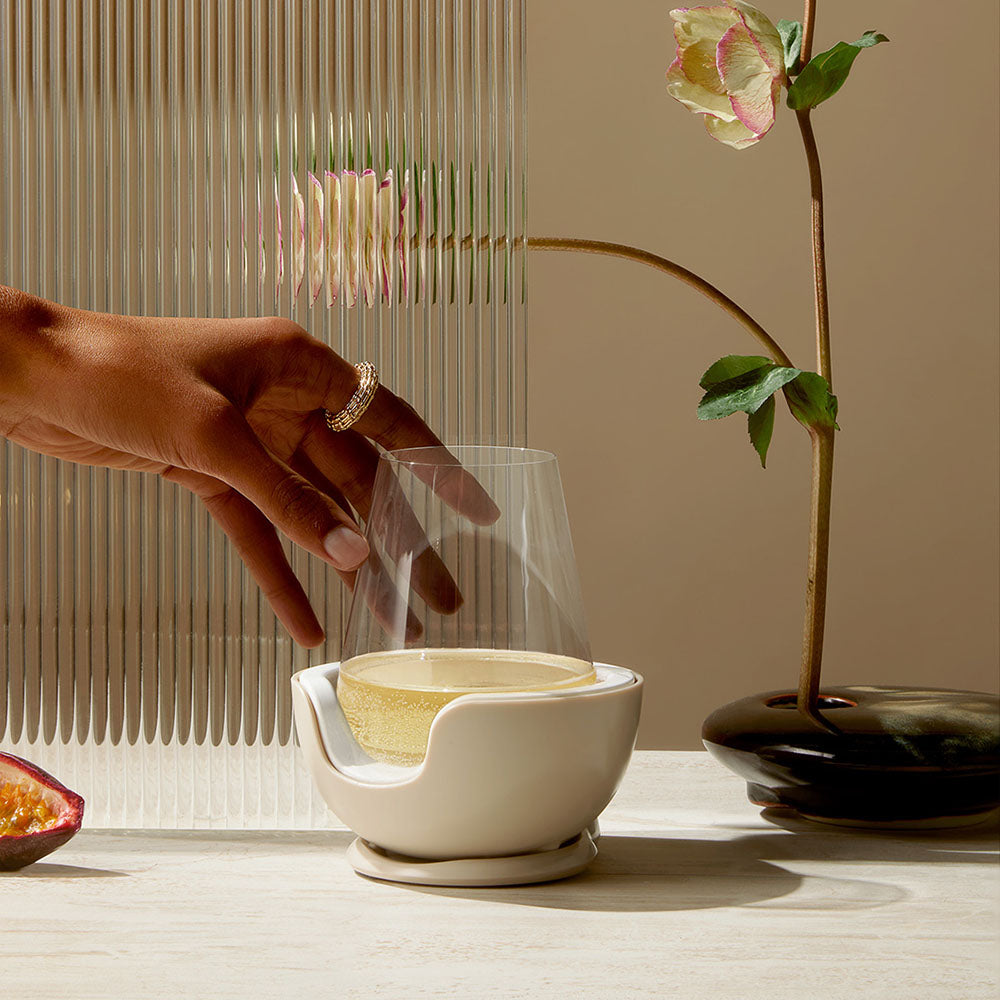
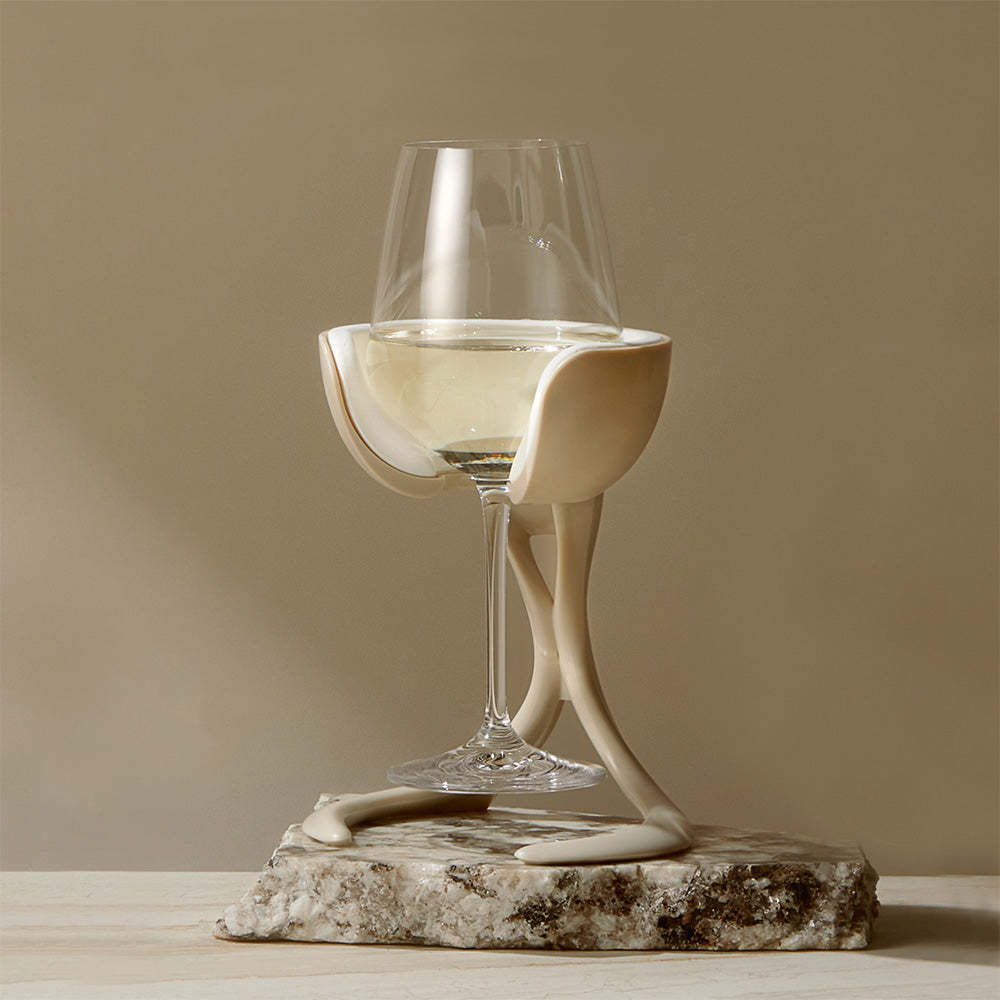
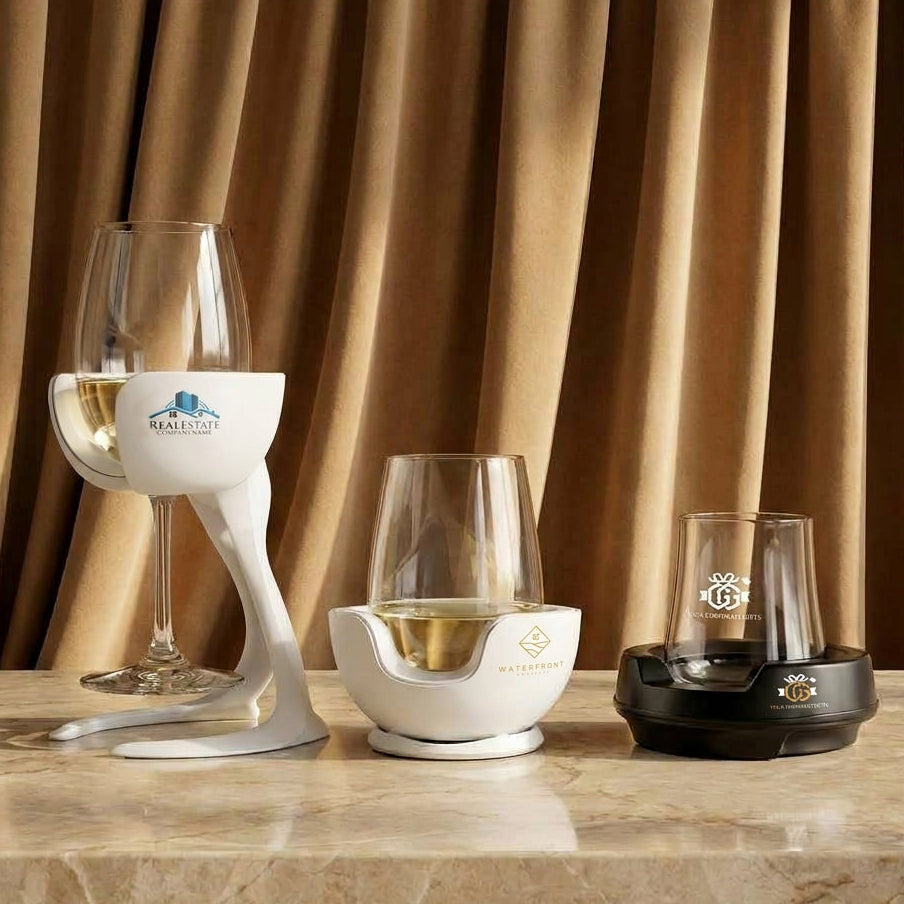
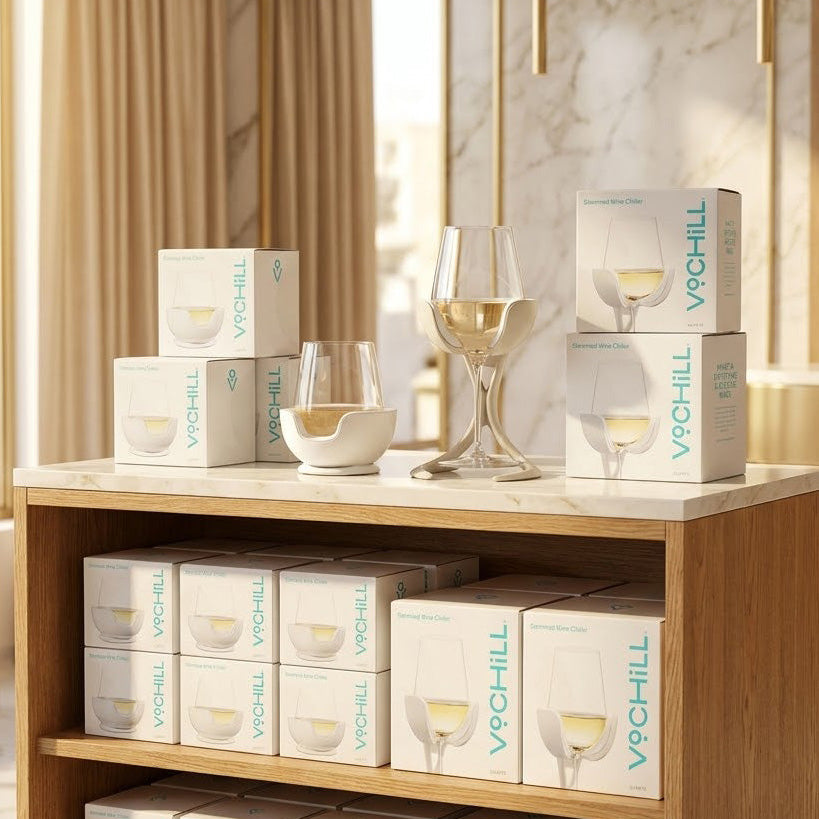
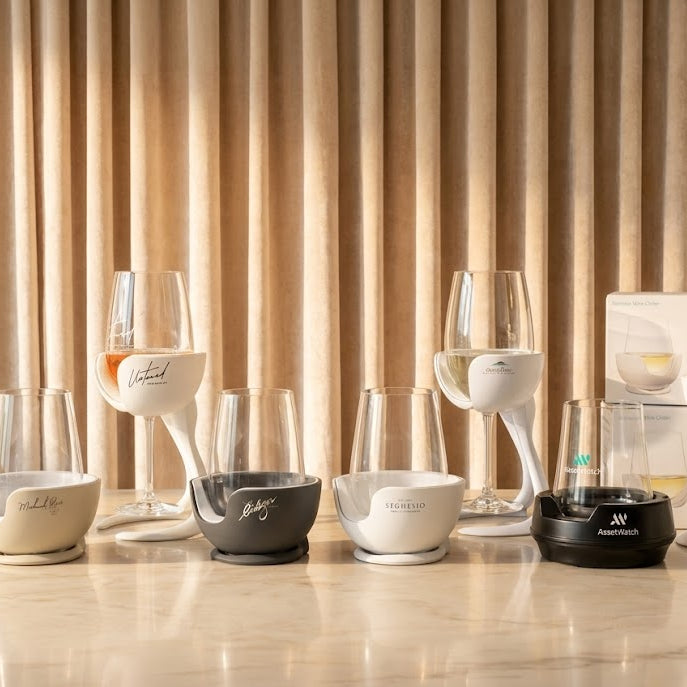
VoChill is designed for both wine and whiskey drinkers who care about flavor, aroma, and consistency.
Instead of chilling the bottle or relying on ice, VoChill keeps each glass at its ideal drinking temperature, allowing wine to open naturally and whiskey to stay smooth without dilution.
It’s a simple shift, but one that changes the entire drinking experience.

Final Takeaway
So, does wine temperature matter? Yes.
Does whiskey temperature matter? Absolutely.
And while personal preference always plays a role, understanding temperature gives you control over how your drink actually tastes. When temperature is right, everything else falls into place.
Because great drinks deserve more than ice and guesswork.